Is Your Shower Water Affecting Your Skin? What to Know
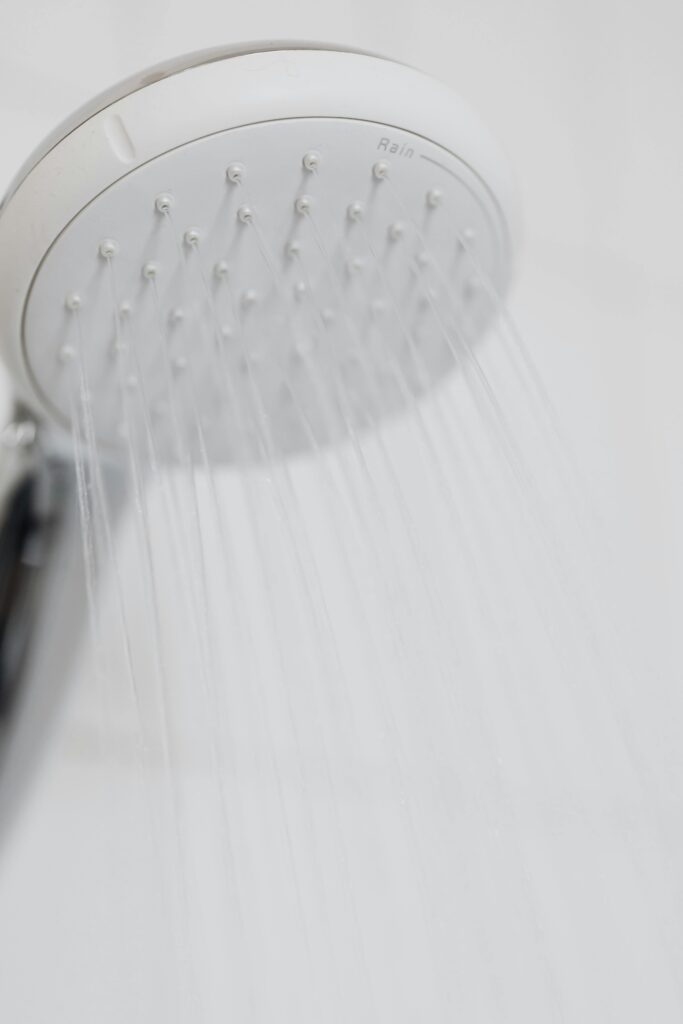
When skin feels dry, irritated, or reactive, most people look at their skincare first.
New cleansers. Gentler moisturizers. Fewer actives.
But there’s another daily exposure that’s often overlooked — the water you shower in.
If you’ve tried simplifying your routine and your skin still feels off, your shower water may be worth considering.
This article isn’t about fear or drastic changes.
It’s simply an overview of what’s commonly found in shower water, how it can interact with skin, and what gentle options exist if you want to reduce exposure.
What’s Typically in Shower Water?
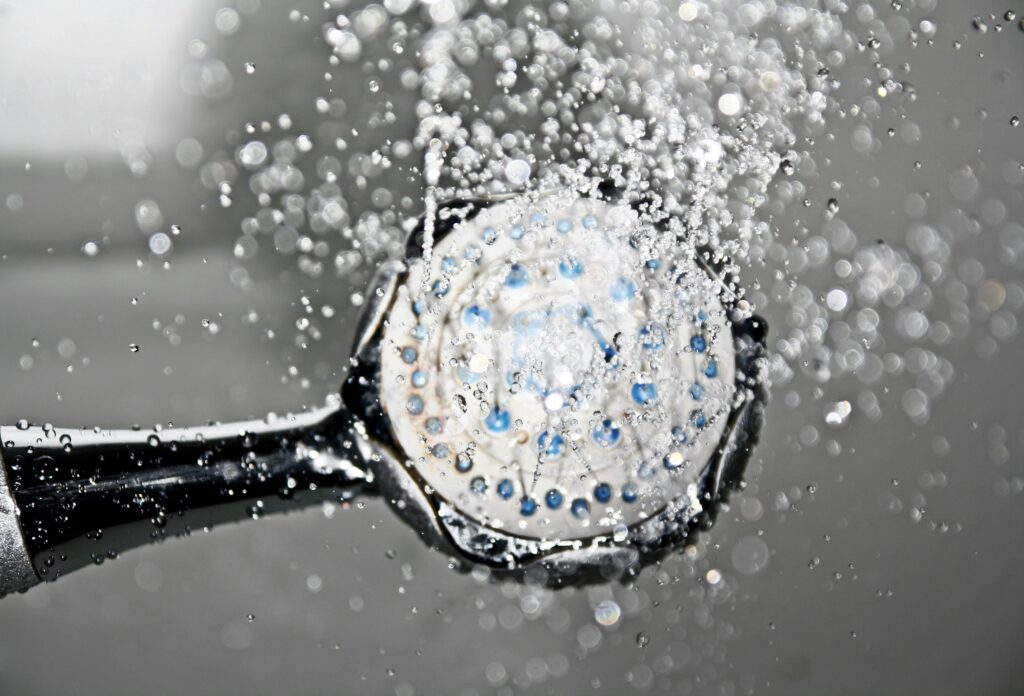
In many areas, municipal water is treated with disinfectants like chlorine or chloramine to make it safe to drink.
While effective for water treatment, these compounds don’t necessarily disappear once the water reaches your shower.
During a hot shower:
- Steam increases exposure
- Water stays on the skin longer
- Pores are more open due to heat
This doesn’t mean showering is harmful — but it does mean your skin experiences repeated contact with treated water every day.
How Chlorine Can Interact With Skin

Chlorine is known for its drying properties. In pools, it’s often associated with:
- Tight or itchy skin
- Dryness
- Disrupted skin barrier
In the shower, daily exposure may:
- Contribute to dryness
- Make sensitive skin feel more reactive
- Interfere with the skin’s natural moisture balance
Everyone’s skin responds differently. Some people notice nothing. Others feel the difference immediately.
Why Skincare Alone Doesn’t Always Fix It

If your skin barrier is already compromised, topical products may only go so far.
Think of it this way:
- Skincare supports the skin after exposure
- Water quality affects the skin during exposure
That’s why some people find that even the gentlest products don’t fully resolve irritation if the underlying exposure remains the same.
A Gentler Approach: Filtering Shower Water

For those interested in reducing exposure without changing everything, filtered shower systems are one option.
These are designed to:
- Reduce chlorine and other common contaminants
- Be installed directly onto the shower
- Require no plumbing changes
It’s a subtle shift — not a cure, not a promise — just a way to support the skin environment more gently.
Why I Looked Into Shower Filtration
I didn’t start with skincare ingredients or routines.
I started by asking a simpler question:
What touches my skin every day, for the longest time?
For me, that answer was water.
That’s how I came across filtered shower options like Curo Skin, which focus on reducing chlorine exposure at the source rather than compensating for it afterward.
👉 You can view the shower filter I researched here
What to Look for in a Shower Filter
If you’re researching on your own, consider:
- Chlorine reduction capability
- Filter lifespan and replacement schedule
- Water pressure impact
- Ease of installation
Avoid exaggerated claims. Focus on practical benefits and realistic expectations.
Is a Shower Filter Necessary?
Not necessarily.
But if:
- Your skin feels consistently dry or reactive
- You’ve already simplified skincare
- You’re interested in reducing everyday chemical exposure
…it may be a gentle, supportive step to explore.
As with most things in natural living, it’s about layering small, thoughtful changes, not overhauling everything at once.
Final Thoughts
Healthy skin isn’t just about what you put on it — it’s also about what surrounds it.
Shower water is one of those quiet, everyday factors that rarely gets attention, but can make a noticeable difference for some people.
If you’re curious, learning more is a good place to start.
To Consider
If you’re interested in learning more about filtered shower options, you can explore the one I researched here.
As an Affiliate, we may earn from qualifying purchases but at no extra cost to you.