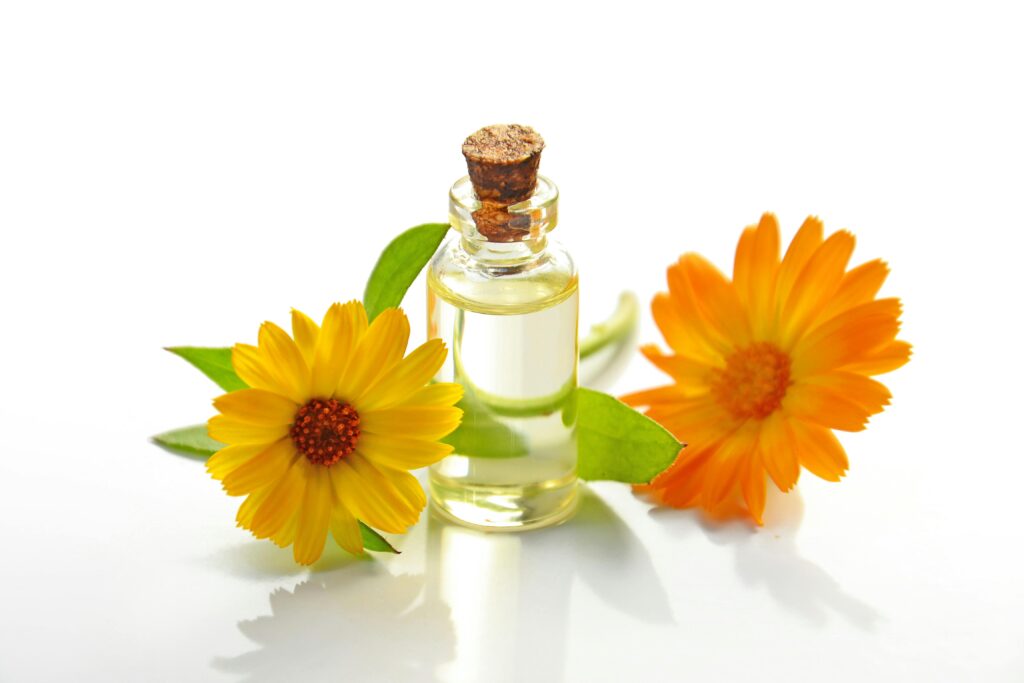
DIY Natural Stretch Mark Oil — 4 Ingredients That Actually Work During Pregnancy

When you’re growing a baby, your skin is doing something remarkable — stretching to accommodate a tiny human being at a pace it was never quite designed for. Stretch marks are the natural result of this, and they affect the vast majority of pregnant women regardless of skin type, genetics, or how much water you drink.
The skincare aisle is full of expensive belly oils and creams promising to prevent or reduce them. Most contain synthetic fragrance, mineral oil, and long lists of ingredients that raise questions about safety during pregnancy. This DIY natural stretch mark oil uses just 4 pure, pregnancy-safe ingredients that genuinely support skin elasticity, hydration, and repair — without a single synthetic chemical.
I’m making this myself right now — and this is the recipe I trust.
Can You Actually Prevent Stretch Marks?
Let’s be honest about this upfront. Genetics plays a significant role in whether you develop stretch marks — if your mother had them during pregnancy, there’s a reasonable chance you will too. No oil, cream, or serum can override genetics entirely.
What a good belly oil can do is genuinely meaningful though:
- Keep skin deeply hydrated, which supports elasticity as it stretches
- Deliver nutrients that support collagen and elastin production — the proteins that give skin its stretch
- Soothe the intense itching that comes with skin stretching
- Reduce the severity of stretch marks that do appear by keeping skin in the best possible condition
- Support faster fading of any marks after birth
This recipe does all of those things — with ingredients that have centuries of use in skin care and a strong safety profile for use during pregnancy.
The 4 Ingredients and Why Each One Works
1. Rosehip Oil — The Star Ingredient
Rosehip oil is pressed from the seeds of rose bushes and is one of the most nutrient-dense oils available for skin. It’s rich in:
- Trans-retinoic acid — a natural form of vitamin A that supports skin cell renewal and collagen production
- Linoleic acid and linolenic acid — essential fatty acids that strengthen the skin barrier and improve moisture retention
- Vitamin C — a powerful antioxidant that supports collagen synthesis and helps with skin tone
Rosehip oil has been studied for its effects on stretch marks specifically, with research suggesting it can help reduce their appearance when used consistently from early in pregnancy. It absorbs quickly and leaves no greasy residue — making it the ideal base for a belly oil.
Always use cold-pressed, unrefined rosehip oil for maximum nutrient content. Amount: 4 tablespoons →
2. Vitamin E Oil — The Skin Healer
Vitamin E is one of the most widely used ingredients in stretch mark prevention for good reason. It’s a fat-soluble antioxidant that penetrates deeply into the skin and supports:
- Repair of damaged skin tissue
- Protection against free radical damage that breaks down collagen
- Deep moisture retention in the skin layers where stretch marks form
- Soothing of itchy, stretched skin
You can use pure vitamin E oil or pierce vitamin E capsules and squeeze the oil directly into your blend — both work equally well. Amount: 1 tablespoon OR 4 vitamin E capsules
3. Lavender Essential Oil — Soothing and Safe
Lavender essential oil is one of the safest essential oils to use during pregnancy after the first trimester. In this recipe it contributes:
- Anti-inflammatory properties that soothe irritated, stretched skin
- Calming properties — applying this oil becomes a beautiful evening ritual that genuinely helps with pregnancy stress and sleep
- Natural skin cell renewal support
- A beautiful, calming scent
Always use pure, therapeutic-grade lavender essential oil. Avoid lavender during the first trimester as a precaution — this blend is for second and third trimester use. Amount: 8 drops
4. Frankincense Essential Oil — The Secret Weapon
Frankincense is one of the most powerful skin-supporting essential oils available and is generally considered safe during pregnancy after the first trimester. It contributes:
- Cytophylactic properties — it actively promotes the regeneration of healthy skin cells
- Astringent properties that help tone and tighten skin as it stretches
- Anti-inflammatory benefits that reduce redness and irritation
- Deep support for skin elasticity
Frankincense and rosehip oil together are one of the most effective natural combinations for skin regeneration — and both are safe and gentle during pregnancy. Amount: 6 drops → [Amazon affiliate link]
What You Need
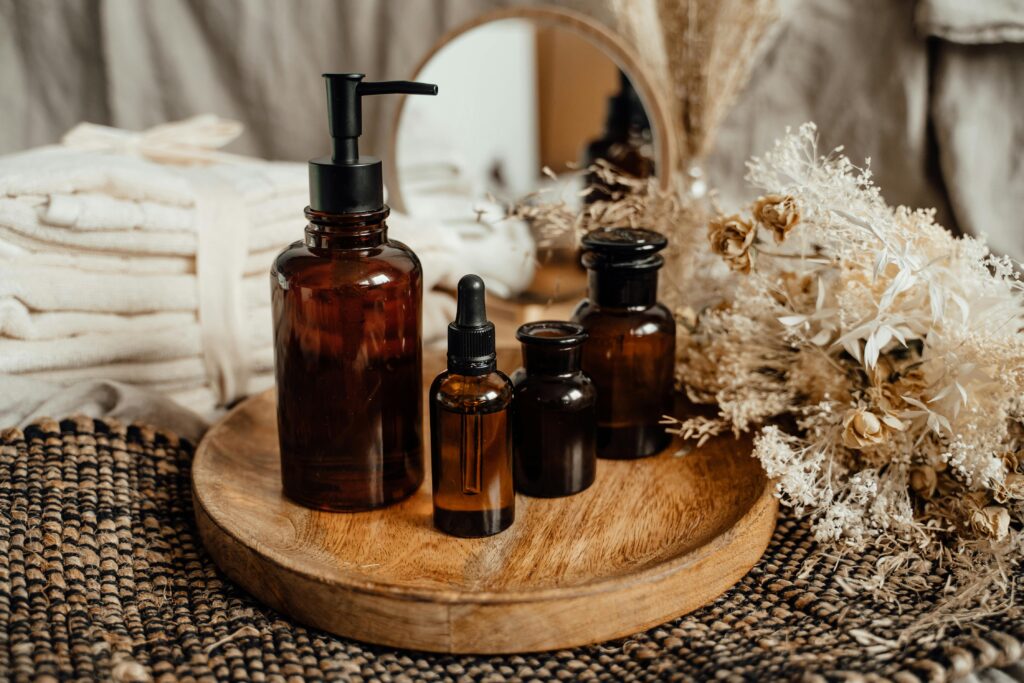
- 4 tablespoons cold-pressed rosehip oil
- 1 tablespoon vitamin E oil (or 4 pierced vitamin E capsules)
- 8 drops lavender essential oil
- 6 drops frankincense essential oil
- A small dark glass bottle with a dropper or pump — 60ml or larger → [Amazon affiliate link]
Always use a dark glass bottle for oils containing essential oils. Light degrades the oils over time. Amber or cobalt blue glass are both ideal.
How to Make Your DIY Stretch Mark Oil — Step by Step
- Pour 4 tablespoons of rosehip oil into your glass bottle.
- Add 1 tablespoon of vitamin E oil — or pierce 4 vitamin E capsules and squeeze the oil in directly.
- Add 8 drops of lavender essential oil.
- Add 6 drops of frankincense essential oil.
- Replace the cap and shake gently to combine.
- Label with the date made and store in a cool, dark place.
Your oil is ready to use immediately. It will last 6 months stored correctly.
How to Use It
- Apply twice daily — morning and evening — for best results. Consistency is everything with stretch mark prevention.
- Use after a shower while your skin is still slightly damp — this helps the oil absorb more deeply.
- Warm a small amount (about a teaspoon) between your palms first.
- Massage gently into your belly, hips, thighs, breasts, and anywhere else your skin is stretching.
- Use circular upward motions — this also supports lymphatic drainage and circulation.
- Allow to absorb for a few minutes before getting dressed.
The massage itself is just as important as the oil. Gently massaging the skin daily increases circulation, which supports collagen production and helps the oil penetrate more deeply. It also becomes a lovely moment of connection with your growing bump.
Is This Safe During Pregnancy?
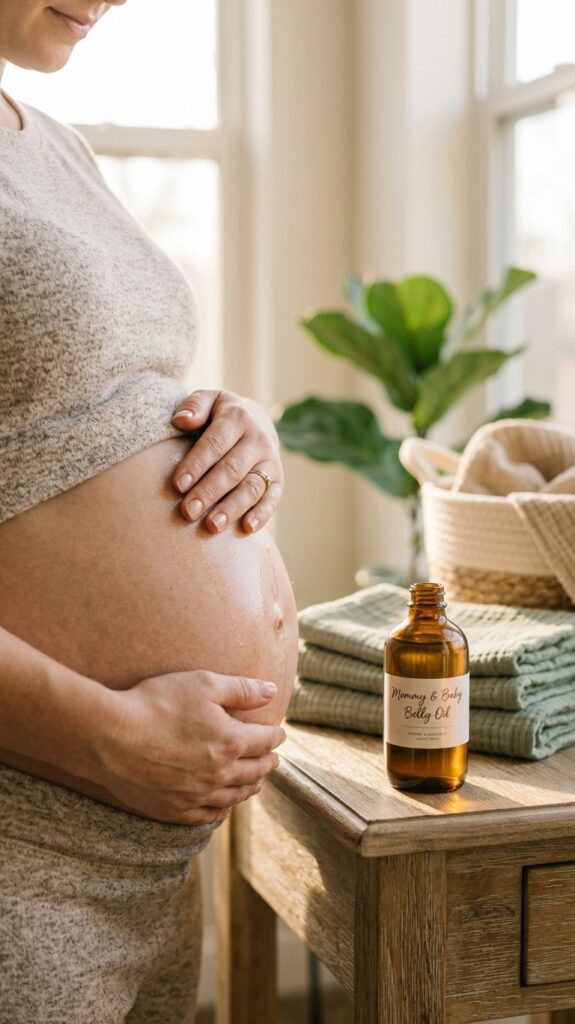
Yes — with one important note. This blend is designed for use from the second trimester onward. During the first trimester, the general precaution around essential oils is to avoid them or use them very minimally as the baby’s systems are forming.
From the second trimester, lavender and frankincense are both widely considered safe for topical use at the dilution in this recipe (which is well within the 1–2% dilution considered safe in pregnancy). However, every pregnancy is different. If you have any concerns or complications, check with your midwife or healthcare provider before use.
Rosehip oil and vitamin E oil are completely safe throughout pregnancy at any stage.
When to Start Using It
The earlier the better. Ideally:
- Start from the beginning of your second trimester — around 12 to 14 weeks
- Apply twice daily without skipping — the benefit is cumulative
- Continue after birth — this oil is equally effective for fading existing stretch marks postpartum
- Postpartum, the frankincense and rosehip combination actively supports scar tissue remodelling — so the same bottle works beautifully for recovery after birth
Postpartum Use — Fading Existing Stretch Marks
After birth, stretch marks typically fade from red or purple to silver over time. This oil actively supports that fading process. Rosehip oil’s trans-retinoic acid and vitamin C content support pigmentation correction, while frankincense promotes healthy skin cell renewal.
Continue using this oil twice daily postpartum on your belly, hips, and anywhere else you have marks. Most people see significant fading within 3 to 6 months of consistent use.
Frequently Asked Questions
Can I use this on my breasts during pregnancy?
Yes — this oil is gentle enough for use on all areas of stretching skin including the breasts. If you’re planning to breastfeed, wash the breast area before nursing as a precaution with essential oil products, even though the dilution in this recipe is very low.
Can I use coconut oil instead of rosehip oil?
Coconut oil is deeply moisturising and makes a good belly oil on its own, but it doesn’t have the same skin-regenerating properties as rosehip oil. For stretch mark prevention specifically, rosehip oil is significantly more effective due to its fatty acid profile and natural vitamin A content. You could mix them — 3 tablespoons rosehip and 1 tablespoon coconut oil — if you prefer a slightly thicker texture.
Can I use this if I’m not pregnant?
Absolutely. This oil works beautifully for any stretch marks — post-growth spurt, post-weight change, post-pregnancy from a previous baby, or simply as a daily body oil for dry skin. The frankincense and rosehip combination is one of the best natural options for fading existing marks at any stage.
Why does my skin feel oily after applying?
Rosehip oil absorbs very well for most people but some skin types need a few minutes longer. Try applying a smaller amount — this recipe is concentrated and a little goes a long way. Applying to slightly damp skin after a shower also helps it absorb faster.
How long before I see results?
For prevention — you’re maintaining skin hydration and elasticity throughout pregnancy, which you’ll see in how your skin copes with the stretching rather than dramatic before-and-after results. For fading existing marks — most people see noticeable fading within 8 to 12 weeks of twice-daily use.
A Note on Ingredient Quality
The quality of your ingredients genuinely matters in this recipe. Cold-pressed, unrefined rosehip oil retains its full nutrient profile. Refined or heat-extracted versions lose much of the vitamin content that makes rosehip so effective. Similarly, pure therapeutic-grade essential oils contain the compounds that make them work — fragrance oils or synthetic alternatives do not.
Buy the best quality you can afford. You use a small amount each day, so a good bottle lasts months.
More Natural Pregnancy Resources
If you’re navigating pregnancy with a focus on natural, low-tox living, here’s where to go next:
- The Easiest Low-Tox Swaps to Start With
- Simple Low-Tox Swaps for Families on a Budget
- DIY Natural Lip Balm — pregnancy-safe and better than store-bought
- Download the Pregnancy Safe Natural Beauty Guide — what to use, avoid, and make at home
Save this post to your Pinterest pregnancy board so you have the recipe whenever you need it — and leave a comment below if you have any questions. I’m right here with you in this season. 🌿